Britain’s overseas donation reforms are only a start
They are nowhere near enough
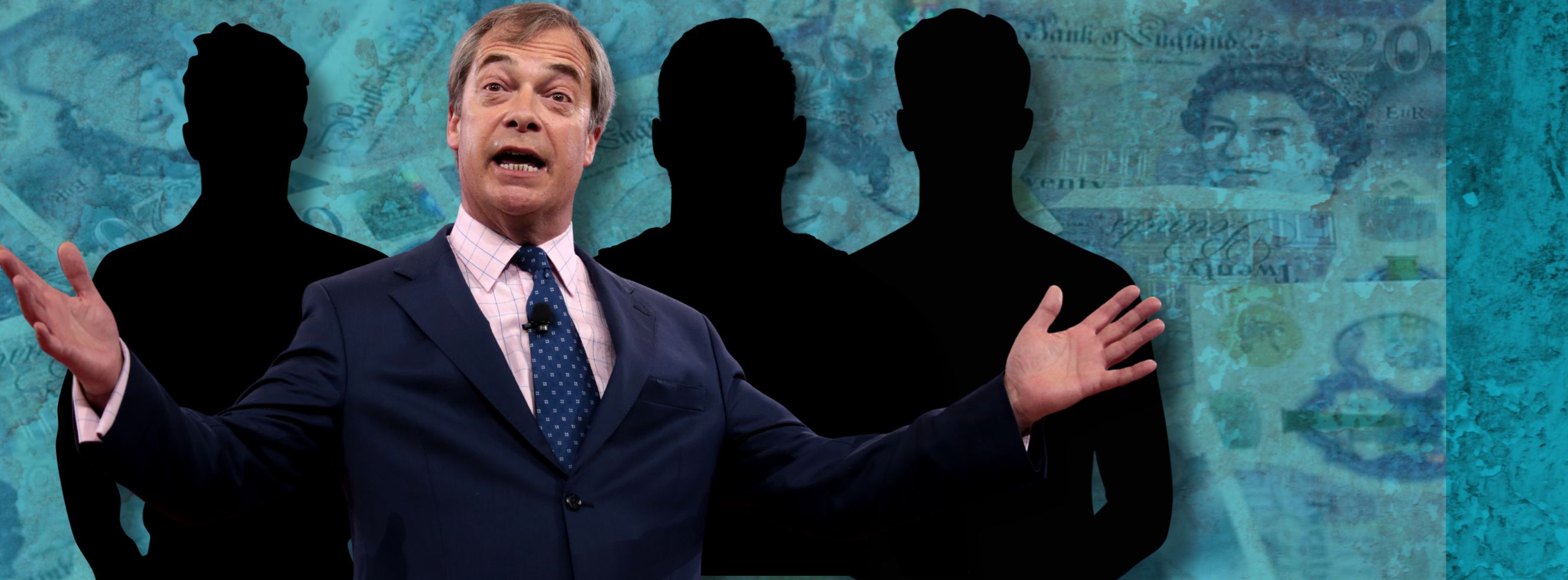
Reform UK has just received a £4 million donation from Ben Delo, a cryptocurrency billionaire based in Hong Kong who was convicted in the US over anti-money-laundering failures at his exchange, BitMEX, before later being pardoned by Donald Trump.
That comes after Thailand-based businessman Christopher Harborne gave Reform more than £12 million. Taken together, that means Reform has received more than £16 million in declared donations from just two overseas donors.
That should alarm anyone who cares about democracy.
Not just because of who these donors are. Not just because of the scale of the money involved. But because it tells us something deeper about how British politics still works.
For years, our system allowed vast sums to flow into politics from ultra-wealthy donors living overseas. The Government’s new cap on overseas donations is a step forward, but it is nowhere near enough.
In fact, Delo has already said he plans to move back to the UK specifically to get around the new rules and keep donating. He has accused Keir Starmer of creating a rigged system. But if a billionaire can respond to modest reform by changing residency and carrying on as before, that tells you everything you need to know: the real rigged system is one that still bends so easily to wealth and influence.
That is the deeper problem here.
The overseas donation cap may restrict some donations from wealthy British citizens living abroad. What it does not do is stop a political system still shaped by vast private wealth, where a handful of rich individuals can wield extraordinary influence over the parties competing for power.
Because if a billionaire can simply change residency, or find new routes into the system, then the system is still broken.
And even where the overseas loophole is narrowed, the wider scandal remains. There is still far too little standing between British democracy and the power of mega-donors. Too little to stop politics being warped by money. Too little to ensure ordinary people count for more than the wealthiest few.
This is not just about Reform, and it is not just about one donor.
It is about whether Britain is content to remain a country where political influence can be bought by those with the deepest pockets. It is about whether democracy is something shared equally by citizens, or something distorted by the wealth of a small number of powerful people.
Open Britain believes democracy should belong to the public, not to whichever millionaire or billionaire can write the biggest cheque.
That means going further than the current reforms. It means confronting the wider role of big money in politics. It means building a system where ordinary people have a real voice, where power is shared more equally, and where political influence cannot simply be purchased.
Because until we deal with that deeper imbalance, the problem will not go away. The names may change. The loopholes may shift. The routes may become less obvious. But the underlying truth will remain the same: our politics will still be too open to wealth, and too closed to the public.
Britain’s overseas donation reforms are a start. But they are not a solution.
If we want a democracy that is genuinely fair, resilient and accountable, we have to go much further.
That is why we are fighting for a democracy that belongs to the public, not the highest bidder. We want stronger limits on big donations, tougher protection against wealthy interests buying influence, and a political system where ordinary people count for more than billionaires. That is the change Britain still needs.
